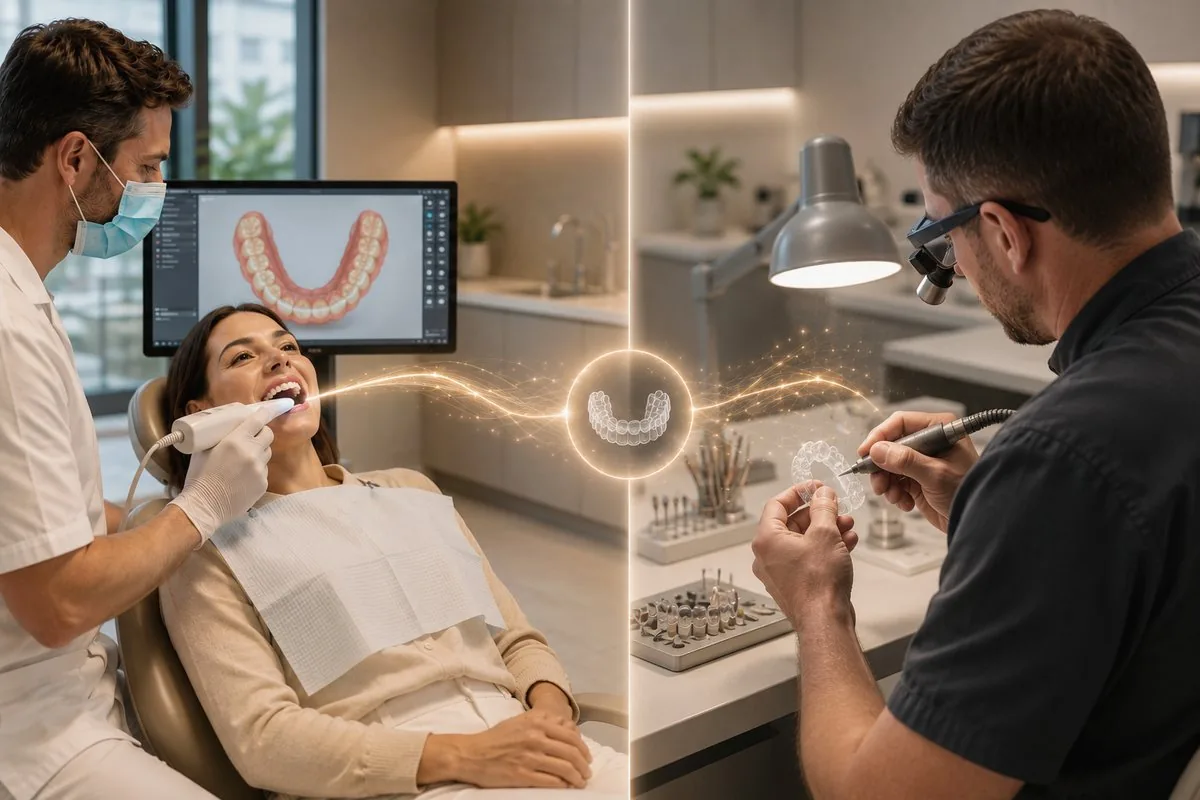
Aesthetic dentistry · Clinical protocol
Tooth whitening,
rethought.
A standardized clinical protocol, designed to combine medical safety, aesthetic predictability and reproducible results.
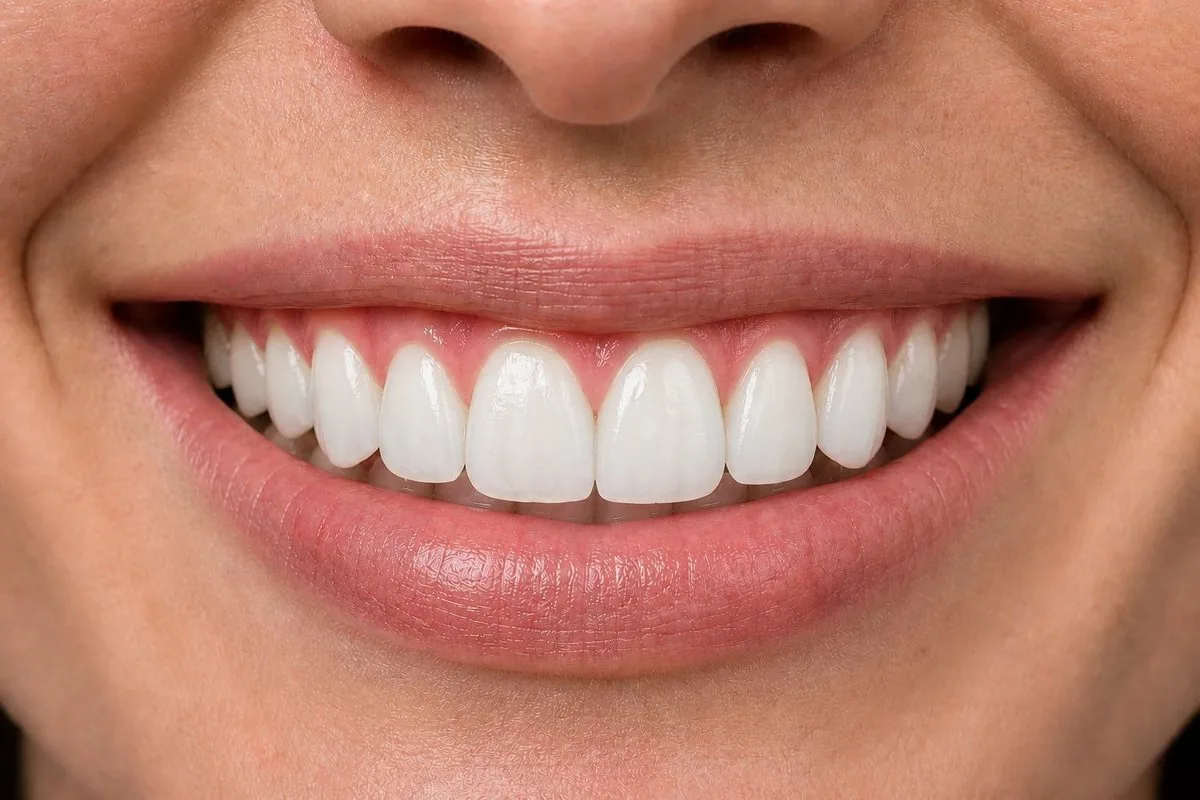
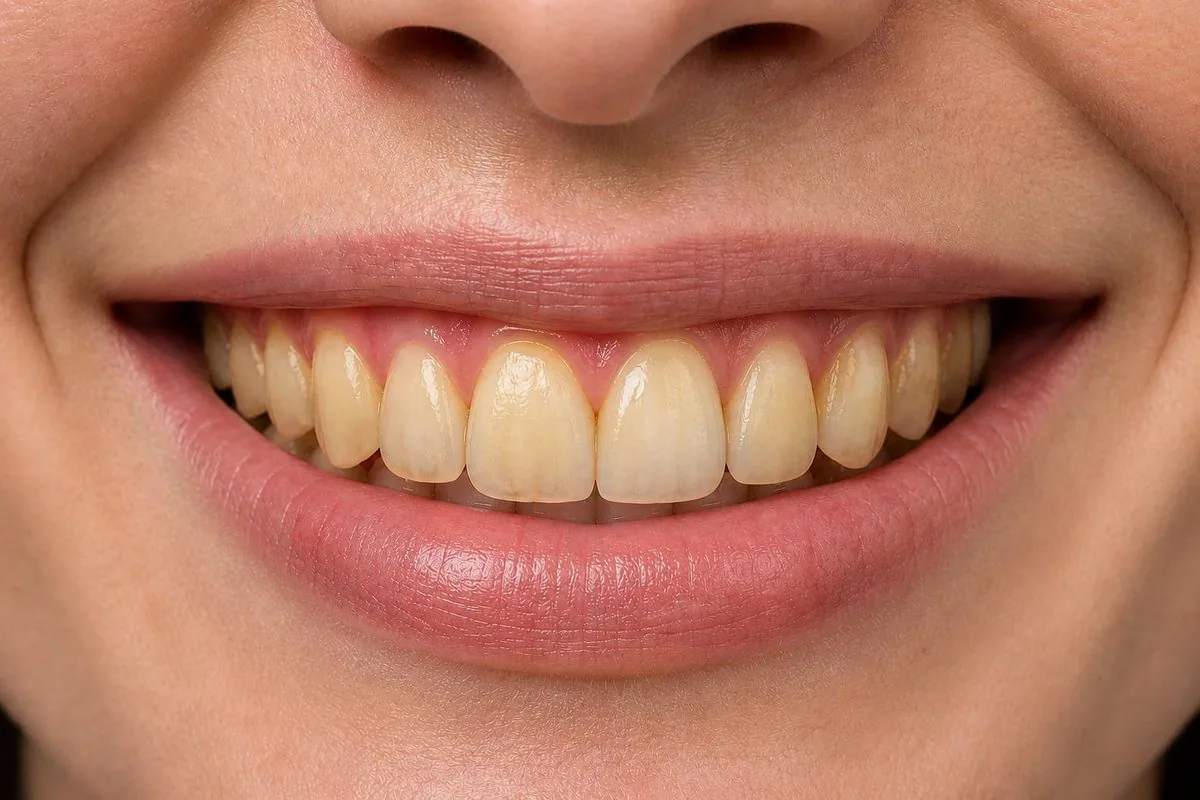
before
after
In accordance with European Directive 2011/84/EU1, products releasing 0.1% to 6% hydrogen peroxide are not available over the counter. The first application must be performed (or directly supervised) by a dentist.
This requirement draws a clear line between the supervised clinical procedure and non-medical "smile bars", where the absence of diagnosis and supervision exposes the patient to avoidable complications.
The peroxide releases free radicals that cleave the double bonds of pigmented chromophores. No mechanical action on the enamel.
The gel diffuses through the enamel, then the dentin. Its effect on healthy structures is negligible and reversible.
Caused by peroxide diffusion and dehydration. Managed with chemical desensitizing agents.
Composites, crowns and veneers do not whiten. Informing the patient beforehand is essential.
A strict protocol is the condition for legal safety, patient satisfaction and reproducible results. Each step has a precise role: none is optional.
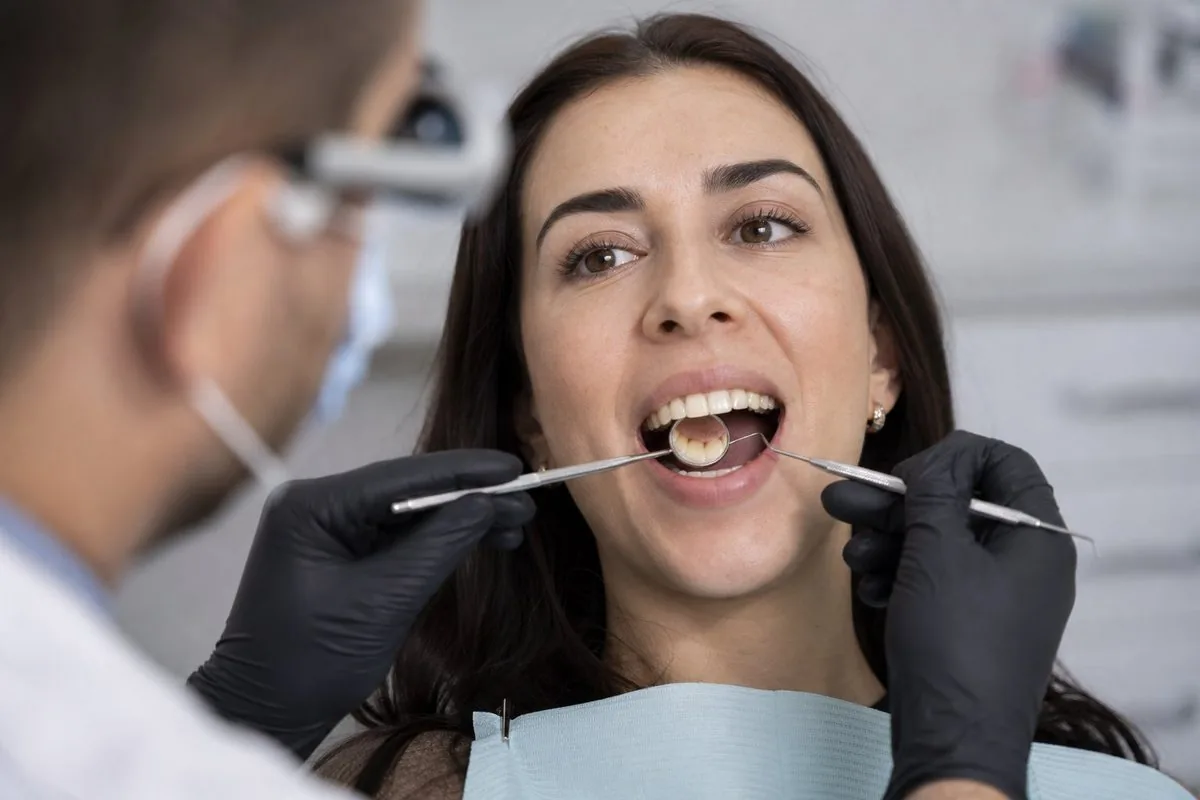
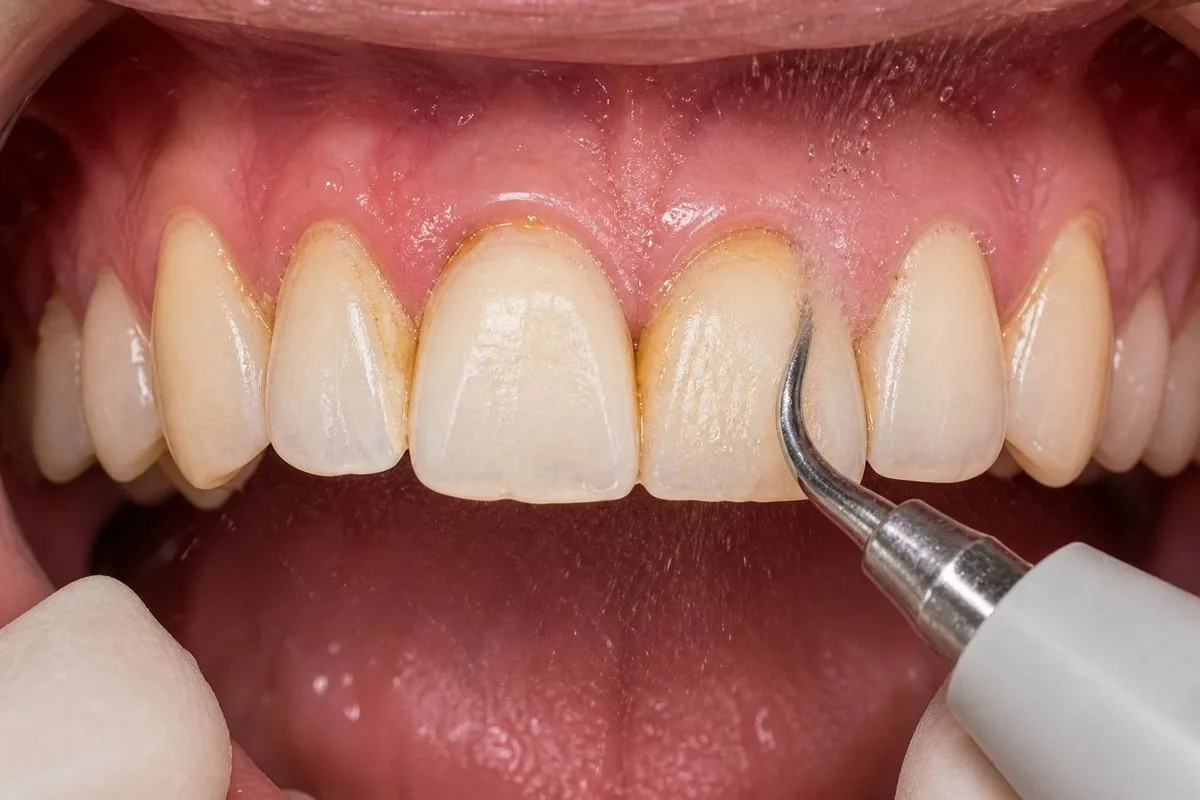
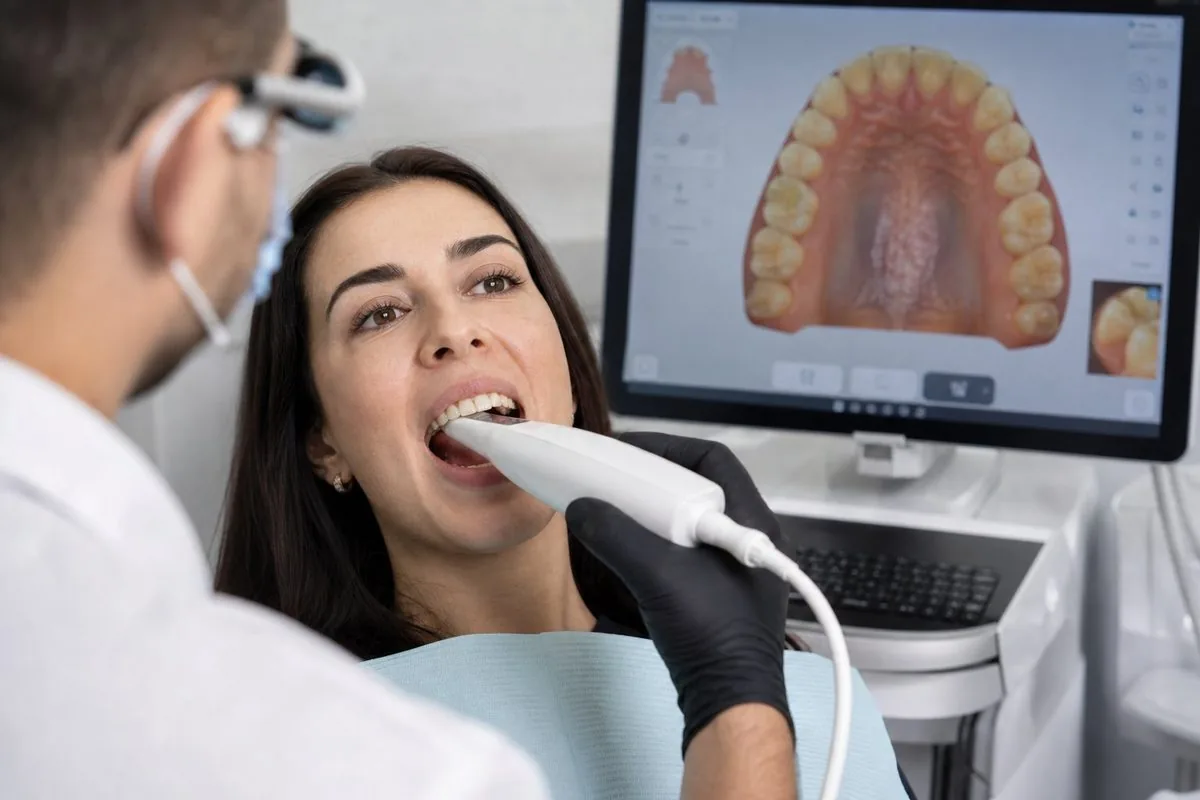
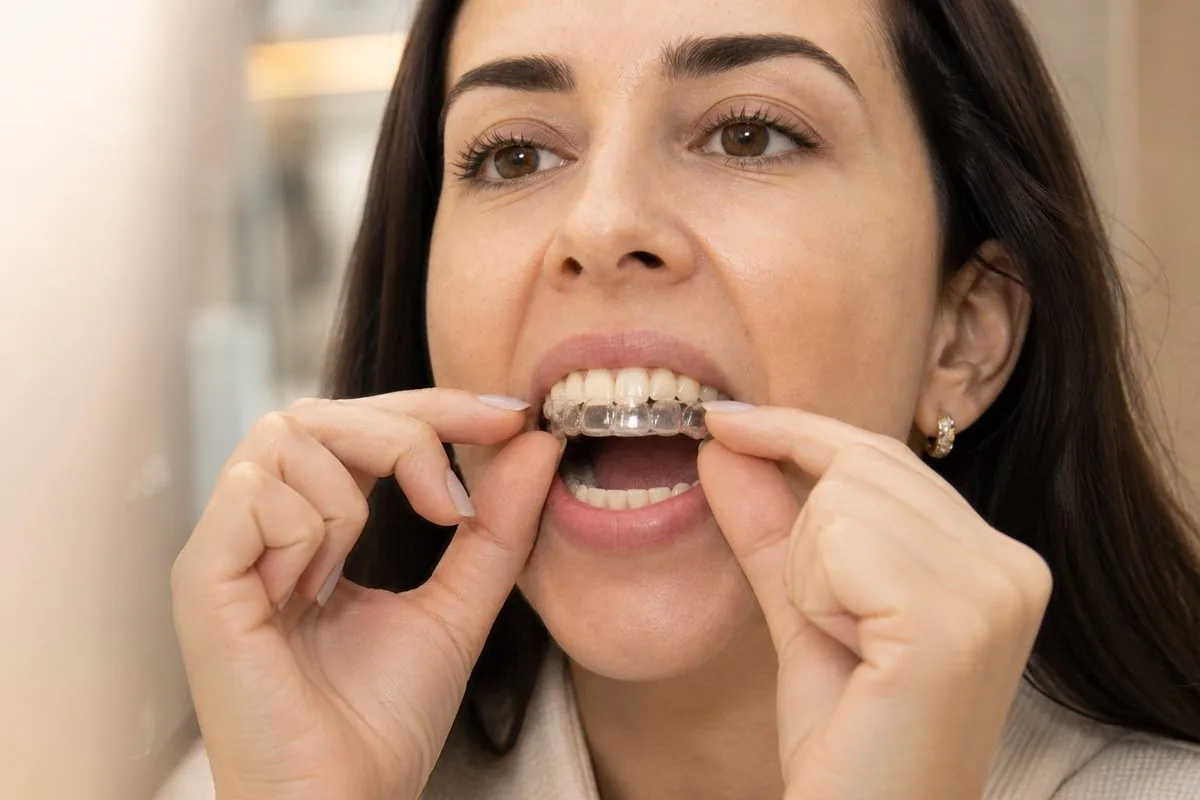
Patient selection accounts for 80% of clinical success and 100% of legal safety.
The leading cause of discomfort. Mostly transient, but it must be anticipated to prevent patients from abandoning the protocol.
Intrinsic discoloration underestimated, or expectations not reframed during the initial consultation.
Prolonged gel contact with the gingiva, encouraged by an ill-fitting tray or an excessive amount of gel.
Partial chromatic rebound in the months following treatment, linked to diet and tobacco.
All clinical and regulatory statements in this presentation are supported by peer-reviewed sources (PubMed) and the European legal framework. Each number N in the document points here.
Presentation document for educational and strategic purposes. The references cited are not a substitute for reading the original sources in full, nor for the clinical judgment of the partner dentist.